When remodeling older homes in NJ, homeowners often face hidden:
- structural,
- electrical,
- plumbing, and
- moisture issues.
These problems increase costs and delay projects. The inspections before renovation help
- uncover these problems early,
- prevent budget overruns, and
- ensure renovations meet current NJ building codes.
NJ is filled with 30, 50, and 80-year-old homes. These homes have character and charm, remodeling them comes with challenges that can’t be expected by many homeowners. A simple kitchen or bathroom upgrade can quickly turn into unexpected repairs, delays, and rising costs.
In this guide, we will explain the most common hidden problems faced by homeowners of older homes in NJ. You can also learn how they can avoid costly surprises.
Why NJ’s Older Homes Require Extra Planning?
Many older NJ homes were built using materials and construction standards that are no longer used today. Over the decades, the structures have become weak. This is due to many reasons, such as:
- weather exposure,
- moisture, and
- aging systems.
Older properties hide issues behind walls, under floors, and in attics. These issues can be resolved with renovation. But for this, you have to make proper planning as sometimes it forces homeowners to pause work or exceed their budget.
Electrical and Plumbing Issues
Outdated Electrical Panels and Entire Wiring
Many older homes still use the wiring systems that are outdated. These systems do not meet modern safety standards. Hence, they must be replaced during renovations.
Old Plumbing Pipes and Corrosion
Galvanized steel or aging copper pipes may corrode internally. Once the walls are opened, this can cause low water pressure or leaks.
Non-Code-Compliant Past Repairs
Previous homeowners may have completed DIY or unpermitted work. These works must be corrected to pass inspections.
What Hidden Structural Problems Are Common in Older NJ Homes?
Foundation Cracks and Settling
Older foundations may develop cracks. It is due to soil movement, moisture, or age. These issues are hidden until floors are removed or walls are opened.
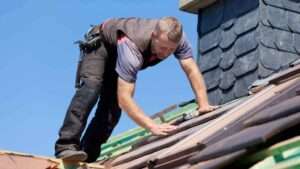
Roof Decking and Structural Framing Issues
- Aging roof decking,
- weakened rafters, or
- past storm damage.
These issues can go unnoticed until renovation exposes them.
Water Damage and Mold
Older homes lack modern moisture barriers. This leads to slow leaks. These leakages cause rot or mold behind finished surfaces.
Why Renovating Older Homes Leads to Cost Overruns?
It happens because of hidden issues. These problems are discovered after demolition. This requires:
- unplanned repairs,
- material upgrades, and
- code compliance work.
Common causes include:
- Structural repairs not visible initially
- Electrical or plumbing replacements
- Permit-required upgrades
- Extended project timelines
Without proper planning, budgets can escalate quickly.
How NJ Building Codes Impact Older Home Renovations?
During older home remodeling, parts of the property may need to be brought up to current New Jersey building codes. This often happens when permits are pulled for major work.
Code upgrades can affect:
- Electrical systems
- Plumbing lines
- Insulation and ventilation
- Structural safety
These requirements are important for safety. But they also affect cost and timing.
How a Pre-Renovation Inspection Prevents Surprises?
This inspection identifies
- structural,
- electrical,
- plumbing, and
- moisture issues.
This allows homeowners to plan accurately and avoid surprise costs. Inspections help by:
- Revealing hidden damage early
- Creating realistic budgets
- Preventing mid-project delays
- Improving the contractor’s transparency
This single step saves homeowners thousands.
Should You Renovate or Partially Rebuild an Older NJ Home?
Renovation makes sense when:
- Structural integrity is solid
- Systems can be updated affordably
- Layout meets long-term needs
Partial rebuilding may be better when:
- Structural damage is extensive
- Systems are severely outdated
- Repair costs approach replacement costs
A professional evaluation helps make the right choice.
How National Home Improvements Helps NJ Homeowners Renovate Older Homes Safely?
National Home Improvements specializes in remodeling older homes in New Jersey.
We take an inspection-first approach:
- Identify issues before renovation begins
- Provide honest, transparent estimates
- Handle permits and code compliance
- Minimize surprises
Schedule a Pre-Renovation Inspection
An older home remodeling doesn’t have to mean stress. It also does not have to mean surprise costs. The right inspection and planning make all the difference.
- Call today for a pre-renovation consultation
- Request an inspection online.
Start with an inspection before you renovate.
FAQs
Remodeling an older home in NJ is expensive. Is it true?
Yes. Older homes may require structural, electrical, or plumbing upgrades. It is to meet modern standards.
Should I get an inspection before remodeling an older home?
Yes. It helps identify hidden problems. Also, it helps in preventing budget overruns.
Do older homes require special permits in New Jersey?
Permits are required for most renovations. Older homes may trigger additional code upgrades.
Can I remodel an older home without upgrading everything?
It depends on the scope of work. Some upgrades are mandatory when permits are pulled.