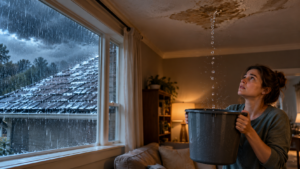
If your gutters are pulling away from your house, sagging, or separating from the fascia, it is usually a sign that the gutter system is no longer properly supported.
Gutters can pull away from a house because of excess water weight, ice and snow, loose or damaged fasteners, deteriorated fascia, improper installation, or aging gutter components. In some cases, the gutter itself may still be usable, but the supporting structure needs repair. Ignoring the problem can allow rainwater to spill behind or over the gutter instead of flowing through the downspout. That can contribute to water-related problems around the roof edge, siding, and foundation.
For New Jersey homeowners, it is worth addressing sagging or separating gutters before the next period of heavy rain.
When Should Gutters Be Replaced?
Replacement may be more appropriate when the system has widespread damage. Signs that replacement may be worth considering include:
- Multiple sections are pulling away
- Gutters are badly bent
- Significant corrosion or deterioration is present
- Numerous joints are failing
- The fascia is extensively damaged
- The system repeatedly overflows
- Repairs have been performed multiple times
- The existing gutter design does not handle roof runoff effectively
The decision should be based on the condition of the complete system rather than one isolated problem.
What Does It Mean When Gutters Pull Away from the House?
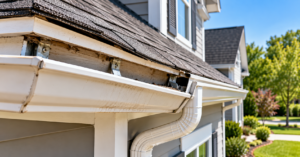
A properly installed gutter should remain securely attached along the roof edge. When a gutter begins pulling away, you may notice:
- A visible gap between the gutter and the fascia
- Sections that sag lower than others
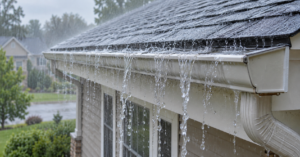
- Water spilling behind the gutter
- Gutter sections that appear tilted
- Loose or missing fasteners
- Cracks or separation around gutter joints
The gutter pulling away more noticeably after rain. The problem may affect one small section or a large portion of the gutter system. Where the separation occurs, it can provide a clue about the cause.
1. Too Much Water Weight
One of the most common reasons gutters begin pulling away is excessive weight. A gutter is designed to carry rainwater temporarily, but if water remains inside the gutter because of poor drainage, an inadequate slope, or a blocked downspout, the weight can increase significantly. This can put additional stress on:
- Gutter hangers
- Screws and fasteners
- Fascia boards
- Other supporting components
If the gutter repeatedly becomes overloaded, the fasteners may loosen, or the gutter may begin to sag. This can create a cycle:
Poor drainage → standing water → additional weight → loose support → gutter separation → even worse drainage.
2. Ice and Snow Can Put Extra Stress on Gutters
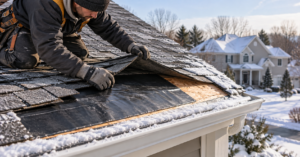
New Jersey winters can expose exterior components to freezing temperatures, snow, and ice. When water freezes inside or around a gutter system, the added weight can put stress on the gutter and its supports. Ice can also contribute to movement or damage when temperatures repeatedly rise and fall. If you notice that your gutters started pulling away after winter, inspect them for:
- Sagging
- Loose fasteners
- Bent sections
- Damaged hangers
- Separation from the fascia
- Areas that no longer maintain their intended slope
Winter damage is not always obvious from the ground, so a closer inspection may be necessary.
3. Loose or Damaged Fasteners
Gutters are attached using different types of hangers, brackets, screws, or other fastening systems. Over time, these components can loosen or become damaged. Once several fasteners stop holding securely, the gutter may begin to separate from the house. Signs of a fastening problem can include:
- Individual sections pulling away
- Visible loose screws
- Missing fasteners
- Sagging between attachment points
- A gutter that moves when it should remain secure
Simply adding a new screw is not always the correct repair. If the material behind the fastener is damaged or deteriorated, the new fastener may not hold properly.
4. Damaged or Rotted Fascia
The gutter may not be the actual problem. Gutters are commonly attached along the fascia or related roof-edge components. If that material has been damaged by moisture, rot, age, or other problems, the gutter fasteners may no longer have a solid surface to attach to. This can cause the gutter to pull away even when the gutter itself is in relatively good condition.
Look for signs such as:
- Soft or deteriorated wood
- Dark staining
- Peeling or damaged exterior material
- Gaps behind the gutter
- Repeated gutter separation
- Water damage around the roof edge
If the supporting fascia is damaged, repairing only the gutter may provide a temporary solution rather than addressing the underlying problem.
5. Improper Gutter Installation
Sometimes gutters pull away because they were not installed or supported correctly in the first place. Installation problems may include:
- Insufficient hangers
- Improperly spaced supports
- Incorrect fastening
- Poor gutter alignment
- Inadequate slope
- Improper attachment to the fascia
- Poorly designed drainage
A gutter can remain in place for years before an installation weakness becomes obvious. Heavy rainfall, winter weather, or aging components may eventually expose the problem. If multiple sections of a relatively newer gutter system are pulling away, the original installation should be considered as a possible cause.
6. Gutters May Be Too Full Because of Drainage Problems
Sometimes the gutter is pulling away because it is being forced to carry more water than it should. A blocked or partially blocked downspout can prevent water from leaving the gutter efficiently. Similarly, incorrect gutter slope can allow water to remain inside instead of moving toward the downspout.
Other possible causes include:
- Too few downspouts
- Undersized downspouts
- Heavy roof runoff
- Poor gutter design
- A blocked underground drainage line
If you repair the gutter without addressing the drainage problem, the gutter may pull away again.
7. Aging Gutter Components
Gutters and their supporting components do not remain in the same condition forever. Over time, exposure to:
- Rain
- Snow
- Ice
- Wind
- Temperature changes
- Sunlight
- Moisture
can contribute to deterioration. Older gutter systems may develop several problems at the same time. For example, you may have:
- Sagging sections
- Loose fasteners
- Damaged joints
- Corrosion or material deterioration
- Poor drainage
- Multiple areas pulling away
When several problems occur together, replacing part or all of the system may make more sense than repeatedly repairing individual sections.
How Do You Know If Your Gutters Need Repair?
Not every gutter that pulls away from the house needs complete replacement. A repair may be appropriate when the gutter material is still in good condition, or only a small section has separated. It should be done if fasteners have failed, a limited number of hangers need replacement, the fascia remains structurally sound, or the gutter has no significant damage. A professional can inspect the gutter and its supporting surface to determine whether the existing system can be repaired.
Can You Fix Gutters That Are Pulling Away?
A minor separation may sometimes be repairable, but the correct fix depends on why the gutter pulled away. Possible repairs include:
Repairing or improving downspouts: If excessive water weight is contributing to the problem, improving drainage may be part of the repair.
Replacing damaged gutter sections: A badly bent or deteriorated section may need to be replaced rather than repaired.
Replacing damaged fasteners: Loose or failed fasteners can be replaced when the underlying material is suitable for secure attachment.
Adding or replacing hangers: Additional or stronger support may be needed in areas where the gutter is sagging.
Repairing the fascia: If the supporting fascia is damaged, that problem may need to be addressed before the gutter can be securely reattached.
Correcting the gutter slope: If water is standing in the gutter, the system may need to be repositioned to improve drainage.
Should You Repair the Gutter or the Fascia First?
If the gutter has pulled away because the fascia is damaged, repairing only the gutter does not address the underlying problem. The supporting material needs to be strong enough to hold the gutter securely. A proper evaluation should therefore consider:
Gutter → Fasteners → Fascia → Roof edge → Drainage
Looking at only one component can result in a repair that does not last.
Can Gutters Pull Away Because of a Clogged Downspout?
Yes, indirectly. A clogged downspout can prevent water from leaving the gutter. As water accumulates, the weight inside the gutter increases. That additional weight can place stress on the hangers, fasteners, and fascia. This is why gutter maintenance should include the downspouts, not just the visible gutter channels. If your gutters are clean but still holding water, the downspout or drainage system may need attention.
What Should You Check From the Ground?
You can safely make several observations without climbing onto the roof. Look for:
- Visible gaps behind the gutter
- Sagging sections
- Loose-looking fasteners
- Water stains below the gutter
- Water running behind the gutter
- Bent gutter sections
- Downspouts that appear loose
- Areas where the gutter seems lower than the surrounding sections
If you see significant separation, avoid leaning ladders against a damaged gutter system. Wet roofs and ladders can also create serious fall hazards.
Why Should You Fix a Gutter That Is Pulling Away?
A separating gutter is not just a cosmetic problem. Depending on the location and severity, it can allow rainwater to:
- Spill over the gutter
- Run behind the gutter
- Wet the fascia
- Reach siding
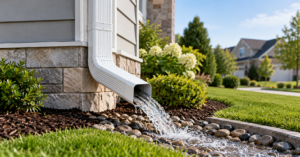
- Pool near the foundation
- Damage landscaping
- Contribute to additional exterior water problems
The longer the drainage problem continues, the more difficult it may become to identify the original cause.
How New Jersey Weather Can Affect Gutter Problems
Gutters in New Jersey have to handle changing conditions throughout the year. Heavy rain can increase the amount of water flowing through the system. Winter weather can add stress through snow and ice. Repeated freezing and thawing can also affect exterior components. A gutter system that appears fine during normal conditions may reveal weaknesses after a period of heavy weather. If your gutters have started pulling away after a major storm or winter season, it is worth checking the entire system rather than simply pushing the gutter back into place.
When Should You Call a Professional?
Consider having your gutters inspected if:
- A large section is pulling away from the house
- The fascia appears damaged
- Gutters are sagging significantly
- Water is running behind the gutter
- Gutters repeatedly overflow
- Downspouts are not draining properly
- The problem returns after a repair
- Several sections are separating
- You suspect storm or winter damage
A professional can determine whether the problem is limited to the gutter or involves the fascia, roof edge, fasteners, or drainage system.
FAQs
How do I know if my fascia is damaged?
Signs can include soft or deteriorated material, staining, gaps behind the gutter, visible moisture damage, or fasteners that no longer hold securely.
Can I just screw the gutter back into the house?
Not always. If the fascia or supporting material is damaged, a new screw may not provide a secure attachment. The underlying cause should be identified first.
Should I replace gutters that are sagging?
Not necessarily. A sagging gutter may be repairable if the gutter material is still in good condition and the supporting structure is sound. Replacement may make more sense when damage is widespread.
Can a clogged downspout cause gutter separation?
It can contribute to gutter separation by preventing water from draining. The resulting standing water adds weight and stress to the gutter system.
Why does my gutter keep pulling away after I repair it?
Repeated separation can indicate an unresolved problem such as damaged fascia, inadequate support, poor slope, drainage problems, or an installation issue.
Why are my gutters pulling away from my house?
This is because of excess water weight, ice and snow, loose fasteners, damaged fascia, improper installation, drainage problems, or aging components.
What If My Gutters Are Pulling Away and Overflowing?
These two problems can be connected. A gutter that is pulling away may have lost its proper slope. Water can then remain inside instead of flowing toward the downspout. At the same time, a blocked or undersized downspout can increase water accumulation and weight. If your gutters are both sagging and overflowing, the solution should address the complete drainage system.
Why Are My Gutters Overflowing When They Are Not Clogged?
Understanding the cause of the overflow can help prevent the gutter separation problem from returning.
Can heavy rain make gutters pull away?
Yes. It can increase the amount of water inside the gutter system. If the water cannot drain efficiently, the additional weight can put stress on the gutter supports.
Can ice cause gutters to pull away?
Ice can add significant weight and stress to exterior drainage components. Repeated freezing and thawing can also contribute to movement or damage.
Can gutters pull away from brick or other exterior surfaces?
Yes. The correct fastening and support method depends on the construction of the home and where the gutter is being attached. A professional should evaluate the attachment point before repairs.
Wrap Up
Gutters pulling away from the house are usually a sign that something needs attention, whether it is the gutter itself, the fasteners, the fascia, or the drainage system. The most important step is to identify the cause before making a repair. Replacing a loose fastener may solve a small problem, but it will not fix deteriorated fascia or a drainage system that repeatedly overloads the gutter.
If you notice sagging, separation, water running behind the gutter, or repeated overflow, National Home Improvements can help evaluate the condition of your home’s exterior and determine whether repair or replacement is appropriate.