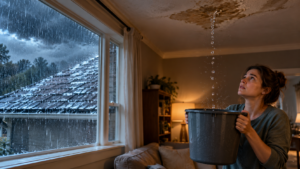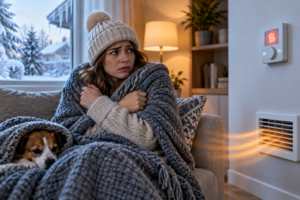
Your property’s exterior siding not only improves your curb appeal. It shields your residence from the severe climate of New Jersey, helps to optimize energy efficiency, and functions as a vital defense against humidity penetration. However, even with the finest of siding supplies will at some point degrade. Storms, accumulation of snow, humidity, ultraviolet (UV) radiation, and temperature swings – all may create destruction on the house’s exterior.
A question that most property owners inquire about is:
“How can I figure out if I require a standard siding replacement?”
Minor issues tend to be corrected; if the harm caused is serious, you could be forced to substitute the entire portion of the exterior siding.
In this article, we’ll address the most important indicators that residents ought to keep on alert for, when faulty siding maintenance is good enough, and assist you to figure out if siding replacement is an appropriate choice for your New Jersey property.
Why Siding Matters for Your Home?
The siding you have fulfills several vital purposes:
Weather Protection
Exterior siding protects the property from:
- Rain
- Snow
- Wind
- Ice
- Humidity
Energy Efficiency
Correctly arranged siding setup helps save energy costs and maintains the property livable and comfortable.
Structural Protection
Proper alignment helps prevent humidity from entering the timber framework and the insulation that is under it.
Curb Appeal
The siding you install constitutes one of the very first things guests and potential customers notice.
Home Value
New vinyl siding may significantly improve the value of a home and attract the attention of prospective buyers.
10 Signs Your Siding Needs Replacement in New Jersey
1. Cracked or Broken Siding Panels
Clearly visible cracks rank as one of the most obvious warning signs that the siding requires replacement.
Small cracks might appear unnoticed, yet they often enable humidity to pass through behind the exterior walls.
Common Causes
- Storm damage
- Impact damage
- Age-related deterioration
- Extreme temperature changes
Repair or Replace?
If you happen to just have a handful of standard panels damaged, then a simple fix is probably doable.
If the cracks are severe in all parts of the property, a substitution can often be a more effective, sustainable solution.
2. Warped or Buckling Siding
When you observe a standard siding that has been bent, consider it an important warning sign – a sign that ought not to be overlooked.
Buckling often refers to:
- Moisture intrusion
- Improper installation
- Structural movement
- Long-term weather damage
Risks
- Water damage
- Mold growth
- Reduced energy efficiency
Repair or Replace?
Specific localized distortion could potentially be rectified.
If there are excessive amounts of buckling on the exterior, the exterior siding almost certainly will have to be substituted.
3. Frequent Need for Repairs
Considering that you are contacting a professional to correct exterior siding damage consistently, it may be less expensive to substitute the shingles in the years to come.
Multiple repairs can run you higher than a new shingle.
Warning Signs
- Multiple repaired sections
- Recurring leaks
- Repeated storm damage
4. Rising Energy Bills
Higher heating and cooling costs may indicate failing siding.
Damaged siding often allows air infiltration that reduces energy efficiency.
Symptoms
- Drafts near exterior walls
- Uneven room temperatures
- Increased utility costs
Repair or Replace?
If insulation and siding are both aging, replacement often provides the greatest benefit.
5. Moisture, Mold, or Mildew Growth
Moisture problems are among the most serious siding issues homeowners face.
Warning Signs
- Mold growth
- Mildew stains
- Water streaks
- Persistent damp areas
Why It Matters
Water infiltration can lead to:
- Rot
- Structural damage
- Indoor air quality concerns
6. Rotting or Soft Areas
If your siding feels soft when pressed, hidden moisture damage may be present.
Wood-based materials are especially vulnerable to rot.
Signs of Rot
- Soft spots
- Crumbling sections
- Discoloration
- Water damage
Repair or Replace?
Widespread rot generally indicates replacement is necessary.
7. Fading and Discoloration
If your exterior siding is worn out, that does not imply you need to replace the siding; if it’s severely worn out, that might be an indication that the material itself is getting worse.
Common Causes
- UV exposure
- Weathering
- Aging materials
What It Means
The siding that lacks its protective coating is more susceptible to wear and tear.
8. Pest or Insect Damage
Broken exterior siding may provide entry for the following:
- Termites
- Carpenter ants
- Rodents
- Other pests
Risks
Pests can cause:
- Structural damage
- Insulation damage
- Expensive repairs
Best Solution
If an infestation has spread to several locations, substitution is often the best option.
9. Storm Damage and Missing Panels
New Jersey experiences:
- Thunderstorms
- High winds
- Nor’easters
- Coastal storms
Natural occurrences like these may harm exterior siding in unexpected ways.
Common Storm Damage
- Missing panels
- Cracks
- Hail impacts
- Loose siding
Repair or Replace?
A few minor defects might be taken care of.
If storm-related damage is severe, a complete replacement could potentially be appropriate, particularly if insurance protection is available.
10. Your Siding Is More Than 20 Years Old
Age may not be necessarily considered an excuse to substitute, but deteriorating siding materials must be inspected on a regular basis.
Typical Lifespans
| Siding Material | Average Lifespan |
| Vinyl Siding | 20-30 Years |
| Fiber Cement Siding | 30-50 Years |
| Engineered Wood | 20-30 Years |
| Composite Siding | 30-40 Years |
If the siding on your property is getting close to the end of its expected life expectancy, it could prove more economical to swap it as opposed to constantly fixing it up to date.
Damaged Siding Repair vs Full Siding Replacement
There are many property owners who are uncertain whether or not they should replace or repair their exterior siding.
| Factor | Repair | Replacement |
| Initial Cost | Lower | Higher |
| Lifespan | Shorter | Longer |
| Energy Efficiency | Limited Improvement | Significant Improvement |
| Appearance | May Not Match Existing Siding | Completely Refreshed Exterior |
| Home Value Impact | Moderate | High |
| Maintenance | Ongoing | Reduced |
When Repair Makes Sense
- Isolated damage
- Newer siding
- Small storm-related issues
When Replacement Makes Sense
- Widespread damage
- Repeated repairs
- Moisture issues
- Aging siding
How Does New Jersey Weather Affect Your Siding?
There are actually a variety of climate-related difficulties for New Jersey residents.
Heavy Rain
Water leakage is one of the main reasons why conventional siding does not work.
Snow and Ice
Expansion and shrinkage may take place because of cycles of freeze-thaw.
Humidity
High amounts of moisture elevate the likelihood of mildew as well as mold.
UV Exposure
At some point, plenty of siding-type components will degrade beneath natural light.
Coastal Storms
Deterioration can be worsened by storm-driven downpours and normal salt contact.
Which Siding Materials Last Longest in New Jersey?
James Hardie Fiber Cement Siding
Lifespan
30-50 years
Benefits
- Weather resistant
- Fire resistant
- Low maintenance
Vinyl Siding
Lifespan
20-30 years
Benefits
- Affordable
- Low maintenance
Engineered Wood Siding
Lifespan
20-30 years
Benefits
- Natural appearance
- Improved durability
Composite Siding
Lifespan
30-40 years
Benefits
- Excellent durability
- Attractive appearance
How Much Does Siding Replacement Cost in NJ?
Several factors influence siding replacement costs.
Home Size
Larger homes require more materials and labor.
Material Selection
Different siding products vary significantly in price.
Existing Siding Removal
Removing old siding can add labor costs.
Design Complexity
Multiple stories, custom trim, and architectural features affect installation requirements.
Because every project is unique, homeowners should obtain a professional estimate for accurate pricing.
Why Homeowners Choose James Hardie Siding Replacement?
James Hardie siding continues to be one of the most popular replacement options in New Jersey.
Weather Resistance
Engineered to withstand harsh climates.
Fire Resistance
Non-combustible fiber cement construction.
Low Maintenance
Requires less upkeep than many traditional materials.
Improved ROI
Often increases curb appeal and resale value.
Long Lifespan
Can last decades with proper installation.
How to Choose the Right Siding Contractor in New Jersey?
Before hiring a contractor, verify:
Licensing and Insurance
Protect yourself from liability and poor workmanship.
Reviews and Testimonials
Look for consistent customer satisfaction.
Warranty Coverage
Understand both product and workmanship warranties.
Portfolio of Completed Projects
Review examples of recent siding replacement projects.
Local Experience
Choose a contractor familiar with New Jersey weather conditions and building requirements.
Frequently Asked Questions
What are the signs that siding needs replacement?
Cracks, warping, moisture damage, rising energy bills, and frequent repairs are common indicators.
How do I know if my siding is damaged?
Look for visible deterioration, loose panels, mold growth, and water stains.
Can damaged siding be repaired?
Minor damage often can be repaired, but widespread issues may require replacement.
How long does siding last in New Jersey?
Depending on the material, siding typically lasts between 20 and 50 years.
Is siding replacement worth it?
Yes. New siding can improve energy efficiency, curb appeal, and property value.
How much does siding replacement cost in NJ?
Costs vary based on material, home size, labor, and project complexity.
Does new siding increase home value?
Yes. Updated siding is often viewed as a desirable upgrade by homebuyers.
What is the best siding for New Jersey weather?
Fiber cement siding and high-quality vinyl siding are popular choices.
Can siding damage cause water leaks?
Absolutely. Damaged siding can allow moisture to reach underlying structures.
How often should siding be inspected?
At least once per year and after major storms.
Is James Hardie siding better than vinyl?
Many homeowners prefer James Hardie siding for its durability and premium appearance.
How long does siding replacement take?
Most projects are completed within several days to a few weeks, depending on size and complexity.
Schedule a Professional Siding Inspection
If you’ve noticed cracks, warping, moisture issues, or rising energy bills, don’t wait until the damage becomes more expensive to fix. A professional siding inspection can help determine whether damaged siding repair is sufficient or if full siding replacement is the smarter long-term investment. Our experienced New Jersey siding specialists can evaluate your home’s exterior, identify hidden issues, and provide honest recommendations tailored to your needs.
Contact us today to schedule a free siding inspection and replacement estimate.