If you look at a sloped roof, you may notice places where two roof sections meet and form an inward angle. This area is called a roof valley. It plays an important role in directing rainwater and melting snow toward the gutters. Roof valleys collect water from multiple roof slopes. Hence, they can be more vulnerable to leaks when roofing materials, flashing, or installation details fail.
Roof valleys commonly leak. This is because of damaged or improperly installed shingles, deteriorated valley materials, flashing problems, wind-driven rain, or debris that interferes with drainage. For New Jersey homeowners, heavy rain, snow, ice, and changing temperatures can make these problems more noticeable.
Understanding how roof valleys work, recognizing early warning signs, and addressing problems promptly is necessary. This can help protect your roof deck and the interior of your home.
What Is a Roof Valley?
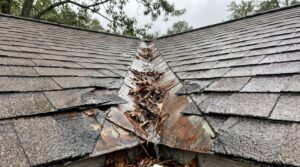
A roof valley is the area where two sloping sections of a roof meet. It creates a channel that collects and directs water down toward the roof edge.
Valleys are common on roofs with multiple sections. This includes homes with:
- Dormers
- Cross-gabled roof designs
- Multiple roof slopes
- Extensions or additions
- Complex roof layouts
A roof valley must be designed and installed carefully. The reason is that it handles runoff from more than one roof surface.
The exact construction depends on the roofing system. Some valleys use metal flashing. Some others use specialized underlayment and shingle installation methods. The appropriate approach depends on the roof design, materials, manufacturer instructions, and applicable building requirements.
Why Do Roof Valleys Leak?
Roof valleys experience concentrated water flow. When water cannot move through the valley as intended, or when the protective roofing layers are damaged, it may find a path beneath the roof covering.
Common causes include:
- Damaged or missing shingles, improper valley installation
- Damaged or deteriorated valley flashing, problems with underlayment or waterproofing
- Debris that obstructs water flow, roofing materials that have deteriorated over time
- Wind-driven rain or severe weather damage, poor repairs around the valley
The visible leak inside the house may be some distance from the actual problem. Water can travel along roof decking, framing, or other surfaces before appearing on a ceiling or wall.
1. Damaged or Missing Shingles
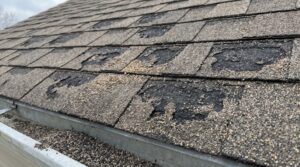
Shingles protect the roof from direct exposure to rain and other weather conditions. If shingles near a valley are cracked, missing, lifted, or damaged, water may reach the layers underneath.
Damage can develop. This is because of aging, strong winds, physical impact, or previous installation problems. Look for warning signs such as:
- Missing shingles near the valley
- Cracked or curling shingle edges
- Loose roofing materials
- Shingles that appear uneven
- Visible damage after a storm
Shingles can sometimes look intact from the ground even when a problem exists beneath them. A professional inspection can help determine whether the valley needs a localized repair or more extensive work.
2. Improper Roof Valley Installation
Roof valleys require careful attention during installation. Roofing materials need to overlap and direct water down the roof without allowing it to enter vulnerable joints. Installation problems may include:
- Incorrect shingle placement
- Improper fastening
- Incorrectly installed valley materials
- Inadequate protection beneath the roof covering
- Poorly finished transitions
- Installation that does not follow the roofing manufacturer’s instructions
A valley may function normally during light rainfall. But leak when water volume increases during a heavy storm.
If a roof valley has leaked repeatedly since the roof was installed, the original installation should be evaluated rather than assuming that the problem is simply normal wear.
3. Damaged Valley Flashing
Flashing helps manage water where roof sections meet or where roofing materials connect with other components. Depending on the roofing design, a valley may incorporate metal flashing or other specified valley protection. Problems can develop if the flashing is damaged, improperly installed, or no longer performing as intended.
Potential warning signs include:
- Water stains near a roof valley
- Repeated leaks during heavy rain
- Visible damage to roofing materials around the valley
- Signs of corrosion or deterioration where metal flashing is used
- Evidence of previous repairs that have failed
The appropriate repair depends on the type of valley and the condition of the surrounding roofing materials.
For more information about flashing-related leaks, read our guide to roof flashing problems and protection. This includes why flashing matters around vulnerable roof areas.
4. Problems With Underlayment or Waterproofing
The roof covering is only one part of the roofing system. Underneath it, underlayment and other protective layers help manage water that gets past the exterior materials.
If the protective layers in a valley are damaged, missing, or incorrectly installed, the roof may become more vulnerable to water intrusion.
Some roofing systems use ice and water protection in valleys or other vulnerable areas. Whether and where a particular membrane is appropriate depends on the roof design, product specifications, and applicable requirements.
Adding a waterproofing product does not automatically correct a poorly constructed valley. The entire assembly must work together.
5. Leaves and Debris in the Valley
Leaves, twigs, and other debris can collect in roof valleys, particularly where trees overhang the home.
A small amount of debris does not automatically mean a valley will leak. However, accumulated material can interfere with water flow. It may retain moisture against roofing materials.
Debris is more concerning when it:
- Builds up repeatedly
- Traps moisture
- Obstructs the path toward the gutters
- Hides damaged roofing materials
- Combines with other drainage problems
Keep roof valleys and gutters maintained. But do not climb onto the roof to remove debris if doing so would be unsafe. Wet or sloped roofing surfaces create a serious fall risk.
6. Severe Weather and Temperature Changes
New Jersey roofs experience changing weather throughout the year. Heavy rain, strong winds, snow, and freezing temperatures can put stress on roofing materials and roof transitions.
Wind may lift or damage shingles. Water can enter vulnerable areas during wind-driven rain. Ice and snow can also complicate drainage around roof edges and valleys.
Weather exposure does not mean every valley will leak. The risk depends on the roof’s condition, design, materials, installation, and maintenance.
After a significant storm, pay attention to signs of damage from the ground. Arrange an inspection if you suspect a problem.
What Are the Signs of a Roof Valley Leak?
Roof valley leaks may not be obvious until water reaches the interior of the house. Here are some common signs.
- Brown or yellow ceiling stains, damp spots on walls or ceilings.
- Dripping water during rainfall, peeling paint near the ceiling
- Musty odors in an attic, damp roof decking or insulation.
- Water appearing after heavy rain, repeated leaks in the same interior area.
These signs do not prove that a roof valley is responsible. Roof penetrations, chimneys, roof-to-wall transitions, plumbing, and other sources can produce similar symptoms.
A professional inspection can help identify the actual entry point.
Should You Repair the Valley or Replace the Entire Roof?
A roof valley leak does not automatically mean you need a new roof. A localized repair may be appropriate when the damage is limited, and the surrounding roof remains in good condition. More extensive work may be necessary if the roofing materials are deteriorated, multiple areas are leaking, or the valley design and installation have widespread problems.
A roofing contractor should consider the age and condition of the roof, the extent of valley damage, and the condition of surrounding shingles. They should also consider if the roof deck is damaged, whether other leaks are present, or if the problem is likely to recur after a localized repair.
The goal is to correct the underlying cause and restore the roof’s ability to manage water.
How Are Roof Valley Leaks Repaired?
The repair depends on the underlying cause and the condition of the surrounding roof. If the damage requires professional attention, learn more about roof repair services in New Jersey. Also, learn about the options available for addressing roofing problems.
Repairing damaged shingles
If the problem is limited to damaged shingles, a roofer may be able to replace the affected materials and restore the proper water-shedding arrangement.
Repairing or replacing valley materials
If the valley flashing or protective materials have failed, the affected section may need to be opened. This is repaired according to the roofing system’s requirements.
Correcting installation problems
If the original valley was installed incorrectly, the roofer may need to remove surrounding materials. They may reconstruct the affected area properly.
Removing accumulated debris
If debris is interfering with drainage, safe removal and maintenance may help. However, cleaning alone will not fix damaged shingles or failed waterproofing.
Addressing underlying roof damage
If water has damaged the roof deck or nearby structural materials, those issues may also need attention before the roofing system is restored.
A professional should explain the cause of the leak and the proposed repair rather than recommending replacement without assessing the damage.
Why Does My Roof Valley Leak Only During Heavy Rain?
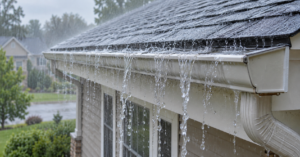
If your roof leaks only during heavy rain, the problem may be related to how much water reaches the valley. It is also related to how quickly it must drain.
Possible causes include:
- Damaged shingles or valley materials, poorly installed roofing layers
- Water entering through a vulnerable joint, Wind-driven rain
- Debris that interferes with drainage, an existing defect that becomes noticeable only under heavier water flow
A valley that handles light rain successfully may still have a defect that becomes apparent during a downpour. Record when the leak occurs and which interior areas become wet. This information can help a roofing professional investigate the source.
If your roof leaks during a downpour, read our guide explaining why a roof leaks only during heavy rain for more information about common causes and warning signs.
How Can You Check for a Roof Valley Problem Safely?
You can look for certain warning signs without climbing onto the roof.
Check the interior: Look for ceiling stains, damp walls, peeling paint, or moisture in accessible attic areas. Use caution around electrical fixtures and wiring.
Observe the roof from the ground: If you can see the valley safely from the ground, look for missing shingles, visible damage, or debris accumulation. Do not use a ladder to reach a roof valley unless you are trained and properly equipped to do so.
Note when the leak occurs: Record whether the problem happens during light rain, heavy rain, or after a period of snow and freezing weather.
Check for other possible sources: A leak near a valley may actually originate from a nearby chimney, vent, skylight, or roof-to-wall transition.
Avoid assuming that the closest visible roof feature is necessarily the source.
How Can You Help Prevent Roof Valley Leaks?
No maintenance routine can guarantee that a roof will never leak. But there are several steps that can help reduce avoidable problems.
- Arrange roof inspections when appropriate.
- Keep gutters and downspouts functioning properly.
- Address damaged or missing shingles promptly.
- Remove accumulated debris safely.
- Check for signs of leaks after severe weather.
- Ensure repairs follow the roofing manufacturer’s instructions.
- Address recurring leaks instead of repeatedly patching visible symptoms.
- Discuss appropriate valley protection during a roof replacement.
Prevention is particularly important when a roof has multiple slopes, valleys, dormers, or other complex transitions.
Questions to Ask Your Roofing Contractor
If you suspect a valley leak, ask the contractor:
- What evidence indicates that the valley is the source of the leak?
- Are the shingles, flashing, and underlying protective layers in good condition?
- Is the problem limited to one section? Or is it affecting a larger area?
- Will the repair address the cause rather than just the visible symptom?
- Is there any damage to the roof decking or nearby materials?
- Does the proposed repair follow the roofing manufacturer’s requirements?
- Would a localized repair be suitable? Or is more extensive work needed?
Clear answers can help you understand the scope of the repair. This also helps make an informed decision.
FAQs
What is a roof valley?
A roof valley is the inward angle where two sloping roof sections meet. It collects and channels water toward the lower part of the roof.
Why do roof valleys leak?
Roof valleys may leak. This is because of damaged shingles, improper installation, deteriorated valley materials, flashing problems, underlayment defects, or debris that interferes with drainage.
Are roof valleys more likely to leak than other roof areas?
Valleys handle concentrated water flow. So, their design and installation require particular attention. However, whether a valley is more vulnerable depends on the roofing system, its condition, and the quality of installation.
Can a roof valley leak without missing shingles?
Yes. A leak can result from problems beneath the visible shingles, damaged valley protection, faulty flashing, or another nearby roof detail. Missing shingles are not required for a roof leak to occur.
Can ice and water shield help protect a roof valley?
An appropriate ice and water protection membrane can provide an additional layer of protection when specified and installed correctly. It does not replace proper valley construction, shingles, or flashing.
Can a roof valley leak only during heavy rain?
Yes. Higher water volume or wind-driven rain may reveal a defect that does not cause noticeable leaking during lighter rainfall.
Can I repair a roof valley leak myself?
Roof valley repairs often involve working on a sloped roof. This may require removing and reinstalling roofing materials. Because falls and hidden roof damage are serious concerns, professional evaluation is generally the safer option.
Does a leaking roof valley mean I need a new roof?
No. If the damage is localized and the rest of the roof is in good condition, a repair may be sufficient. Extensive deterioration or widespread installation problems may require more comprehensive work.
Final Thoughts
A roof valley plays an important role in moving water off your roof. It collects runoff from multiple roof slopes, damage or installation problems in this area. This can lead to leaks.
If you notice ceiling stains, recurring leaks during heavy rain, or visible damage near a roof valley, identify the source before choosing a repair. The right solution depends on the condition of the shingles, valley materials, flashing, underlayment, and roof deck.
National Home Improvements can help homeowners discuss roofing concerns and determine whether a roof inspection or repair is appropriate. If you suspect a roof valley leak at your New Jersey home, contact NHI. We discuss the problem and possible next steps.