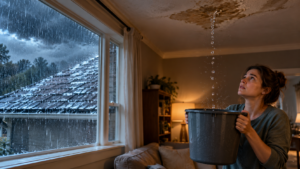
When unexpected damage happens to your home, every minute matters. Whether it’s
- a leaking roof,
- broken siding, or
- storm damage, take quick action.
It can prevent costly repairs and protect your property.
If you’re dealing with an urgent issue, the first step is to call a professional immediately.
📞 Call National Home Improvements now for fast emergency home repair services in New Jersey.
While help is on the way, there are important steps you can take to minimize damage and keep your home safe.
What Qualifies as an Emergency Home Repair?
Certain repairs cannot be put on hold. A few circumstances ought to be addressed swiftly in order to prevent further harm or safety hazards. A few typical urgent repairs that have to be completed within the house are as follows:
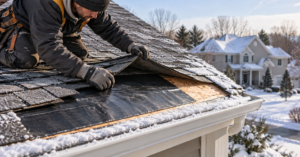
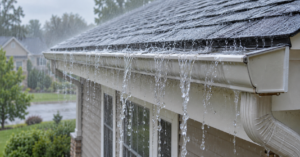
- Leaking roofs during rain or severe storms.
- The harm to exterior siding or external structures from severe weather.
- The broken doors or window frames
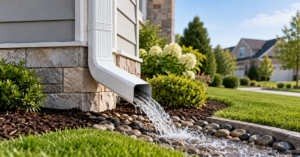
- The water leaks that damage the structure’s foundation
- The harm from fallen trees or other objects
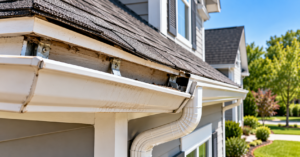
- Damaged gutters causing water overflow
If the property is exposed to storms, moisture, or foundational issues, it is a matter of urgency. In such cases, you need to contact a construction company quickly.
Step-by-Step: What to Do Before a Contractor Arrives
Before an independent contractor shows up, here is what should be done step by step:
You can minimize the cause of damage and speed up the repair procedure by following some steps:
-
Reach out to a specialized contracting company promptly
Speak with an expert. This should be your first action. We, at National Home Improvements, provide emergency repair and standard services anywhere in New Jersey. Contact us right now for immediate support. We resolve your queries on the same day.
-
Make sure of safety. Initially, you should verify that every person in your house is secure before you try to repair a problem.
- Keep yourself far away from damaged areas
- Never remain in water that is close to electrical wiring.
- If the structural damage is severe, evacuate away from the area.
Short-term repairs are not as significant as your security.
-
Stop Water Damage
Water is one of the biggest threats during home emergencies. If it is secure for you to do so:
- Place containers beneath leaks in order to capture them
- Include plastic sheeting or towels of any kind beneath leaking areas
- If you want to, switch off the primary water source.
Choosing steps promptly can avoid mold growth and harm to the structure.
-
Fill Up Exposed Spaces
If your roofing system, exterior siding, or glass windows get damaged, just cover the exposed parts for the moment. You can use:
- Roof tarps
- Standard sheets made of plastic
- The plywood (for damaged window frames).
Do it only when it’s secure; if not, patiently wait for qualified experts.
-
Switch Off Utility Services (If Required)
In certain situations, simply turning off normal utilities may prevent further damage from taking place.
- If the water is close to normal outlets, please turn off the electrical supply.
- When you feel there might be leaking pipes, switch off the gas supply.
- If the conduits are damaged, disconnect and turn off the drinking water source.
-
Write down the harm caused
Take videos and images of the harm done before repairs commence.
This is beneficial for:
- Demands for insurance coverage
- Cost estimates for routine maintenance
- Note down the issue in question
Be certain to clearly depict all the parts that have been impacted.
-
Do not attempt to resolve problems by yourself
You might make matters even worse when you try to repair serious harm by yourself. Do not attempt:
- Getting on a ceiling that has been broken
- Taking out construction supplies
The use of quick fixes that may not work
Always try to wait for an experienced contractor to arrive.
Common Emergency Situations in New Jersey Homes
New Jersey weather and aging homes can lead to several urgent repair situations.
Storm Damage
Heavy winds and storms can damage roofs, siding, and windows.
Roof Leaks
Even a small leak can quickly lead to major water damage.
Siding Damage
Broken siding exposes your home to moisture and insulation issues.
Gutter Failures
Clogged or damaged gutters can cause water to pool around your home.
Structural Damage
Falling debris or severe weather can impact your home’s structure.
Why Fast Action Matters
Delaying emergency repairs can lead to:
- Higher repair costs
- Structural damage
- Mold growth
- Interior damage
- Safety hazards
Acting quickly can save thousands of dollars in future repairs.
Why Homeowners Trust National Home Improvements?
When emergencies happen, homeowners across New Jersey rely on National Home Improvements for fast, professional service.
Fast Response Times
We prioritize emergency calls and act quickly.
Experienced Contractors
Our team handles all types of emergency exterior repairs.
Local New Jersey Experts
We understand local weather conditions and building requirements.
Reliable and Long-Lasting Repairs
We don’t just fix the problem — we provide durable solutions.
Emergency Home Repair Costs in New Jersey
Costs depend on the type and severity of damage. Typical ranges:
- Minor emergency repairs:
$300 – $1,500
- Moderate repairs:
$1,500 – $5,000
- Major structural repairs:
$5,000+
👉 The sooner you act, the lower your repair costs are likely to be.
FAQs
What should I do immediately after home damage?
Call a professional contractor, ensure safety, and take steps to prevent further damage if possible.
Can I temporarily fix the damage myself?
Only minor temporary protection (like tarps) is safe. Avoid major repairs.
How quickly should I call a contractor?
Immediately. Delays can increase damage and repair costs.
Do emergency repairs cost more?
They can, but quick action often prevents more expensive repairs later.
Call Now for Emergency Home Repairs in New Jersey
When your home is damaged, you don’t have time to wait.
National Home Improvements provides fast, reliable emergency repair services across New Jersey.
📞 Call now for immediate help and same-day service.
📞 Protect your home before the damage gets worse.