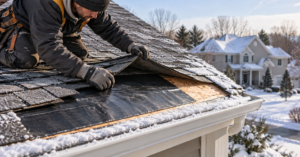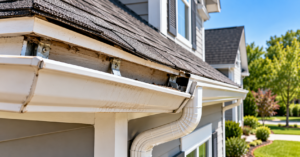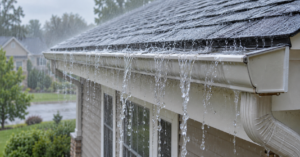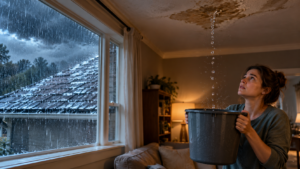
Residents who live in New Jersey are aware that weather conditions are often unreliable. Bad weather may result in substantial damage to roofs in just a few seconds, which can range from intense thunderstorms along with hailstorms to nor’easter conditions, intense winds, and downpours.
Unluckily, a lot of residents commit costly errors shortly after a severe storm. They hold off too much time for them to have their roofing system examined, they are unable to accurately document the defects, or they simply have no idea the manner in which the roof coverage claim procedure operates. Such mistakes may lead to stalled maintenance, rejected claims, and hundreds of thousands of dollars in unforeseen costs.
If your place of residence has been hit with bad weather, being aware of the roof coverage claims procedure will help you safeguard your home and take advantage of the advantages offered to you by means of the homeowner’s insurance policy.
The following guide to roof repair insurance in NJ talks about typical storm-related policies, how to proceed with a typical roof insurance lawsuit in NJ, common errors to keep in mind, and how experienced roofing companies can guide you through the entire process.
Does Homeowners Insurance Cover Roof Storm Damage?
Certainly, in a number of situations.
All homeowner insurance policies provide coverage for unexpected as well as unforeseen roofing damage from severe weather.
Events that are frequently dealt with involve the following:
Wind Damage
Heavy winds could result in:
- Remove standard shingles
- Roofing materials elevating
- Flashing injury
- Reveal the conventional roof level
Hail Damage
A hailstorm can end up in:
- Loss of standard granules
- Bruising to the normal surfacing
- Shingle Cracks
- More rapid degradation of the roofing material
Fallen Trees
Strong winds tend to knock down fallen trees and massive branches on residential properties.
Life insurance usually covers the following:
- Damage to a typical roof
- Damage caused to the structure
- Immediate assistance
Storm-Related Water Intrusion
If a severe storm destroys the roofing and permits normal water through, the harm triggered by that moisture could potentially be deductible, based on the conditions of the aforementioned policy.
What Is Usually Not Covered?
Insurance providers typically reject claims that are connected to:
- Normal aging
- Lack of maintenance
- Wear and tear
- Existing roof problems
- Improper installation
This is the reason why official documentation is so important shortly after an extreme weather event.
Common Types of Roof Storm Damage in New Jersey
Damage caused by storms is sometimes not obvious from ground level.
Normal Roof-Based Weather Damage includes the following:
Missing Shingles
The effects of wind may rip the roofing materials apart, showing areas of vulnerability.
Lifted Shingles
Even when the roof shingles are securely attached properly, a strong breeze may destroy the seal between them.
Hail Damage
Minor hailstorm impacts can harm roofing shingles and decrease the roof’s overall lifespan.
Flashing Damage
Broken flashing is a primary cause of water leaks around them:
- Chimneys
- Skylights
- Roof vents
Water Intrusion
Water leaks may contribute to the following outcomes:
- Mold growth
- Ceiling stains
- Insulation damage
- Structural deterioration
Tree Impact Damage
Branches and trees can damage:
- Shingles
- Gutters
- Roof decking
- Structural framing
What To Do Immediately After Storm Damage
Acting quickly can improve your chances of a successful storm damage insurance claim.
Step 1: Ensure Safety
Never climb on a storm-damaged roof.
Watch for:
- Downed power lines
- Structural instability
- Falling debris
Step 2: Document Damage
Take photos of:
- Missing shingles
- Fallen trees
- Water stains
- Exterior damage
- Interior leaks
Document everything before repairs begin.
Step 3: Prevent Further Damage
Temporary measures may be necessary.
Examples include:
- Emergency roof tarping
- Water mitigation
- Debris removal
Step 4: Schedule a Professional Roof Inspection
A significant portion of the destruction from hurricanes isn’t evident from ground level.
Professional inspections help identify:
- Hidden hail damage
- Lifted shingles
- Flashing issues
- Structural concerns
Step 5: Contact Your Insurance Company
Immediately report any harm caused as quickly as you can.
Provide:
- Photos
- Inspection reports
- Date of storm
- Description of damage
Step 6: Meet with the Insurance Adjuster
The insurance company generally will arrange for a representative to inspect the property in question.
Licensed roofing companies frequently assist by making sure every bit of the harm done has been documented correctly and accurately.
Step 7: Review Your Settlement
Prior to authorizing maintenance:
- Review scope of work
- Verify covered items
- Understand deductibles
- Ask questions about missing damage
Roof Insurance Claim Process in New Jersey
Being aware of the procedure allows one to minimize anxiety and disorientation.
| Stage | What Happens |
| Storm Event | Damage Occurs |
| Inspection | Damage Assessment |
| Claim Filing | Insurance Notification |
| Adjuster Visit | Insurance Inspection |
| Claim Decision | Approval or Denial |
| Repairs Begin | Roof Repair or Replacement |
| Final Documentation | Project Completion |
It may take anywhere from a couple of days to weeks, subject to the complex nature of the claim being made.
7 Costly Mistakes Homeowners Make During a Storm Damage Insurance Claim
1. Waiting Too Long
Postponements may give rise to the following consequences:
- Additional damage
- Claim complications
- Coverage disputes
2. Failing to Document Damage
The most important proof is usually photographs and inspection findings.
3. Accepting the First Assessment Without Review
An insurance evaluation rarely fails to uncover all faulty components.
4. Hiring the Cheapest Contractor
Inexperienced contractors won’t notice concealed defects.
5. Ignoring Small Leaks
Minor leaks tend to be an indication of more serious issues.
6. Missing Policy Deadlines
Most guidelines will call for standardized reporting.
7. Starting Permanent Repairs Too Soon
Corrections completed beforehand, required documentation could complicate the claim’s authorization.
Why a Professional Roof Inspection Matters Before Filing a Claim
Having a qualified roof inspection will make the claim procedure significantly simpler.
The positive aspects consist of the following:
Hidden Damage Identification
Not every bit of the damage is clear from the surface.
Detailed Documentation
Professionally prepared report documentation is extremely useful.
Accurate Scope of Damage
A thorough check reveals each of the impacted components.
Better Claim Support
Correct paperwork assists in helping property owners communicate with their coverage providers.
Roof Repair vs Roof Replacement After Storm Damage
Not every instance of storm-related damage requires an entire roof replacement.
| Factor | Roof Repair | Roof Replacement |
| Minor Damage | Excellent Option | Usually Not Necessary |
| Extensive Damage | Temporary Solution | Often Recommended |
| Roof Age | May Be Appropriate | Often Preferred |
| Long-Term Value | Moderate | High |
| Insurance Coverage | Depends on Damage | Depends on Damage |
Repair May Be Appropriate When:
- Damage is restricted
- relatively freshly installed roof structure
- the integrity of the structure remains intact
Replacement May Be Appropriate When:
- General damage
- Roof approaching the final stage of its lifespan
- Multiple frameworks are affected
What If Your Roof Insurance Claim Is Denied?
Thus, a rejection does not automatically imply that the operation is finished.
A few common reasons for refusing to comply are as follows:
- Not adequate formal documentation
- Problems with regular upkeep
- Procedure omissions
- Disputed damage causes
Property owners can:
- Ask for further explanation
- More convincing proof
- Ask for a subsequent checkup
- Challenge the normative choice
Professionally prepared roofing paperwork often serves to back up an argument.
How NHI Contractors Helps New Jersey Homeowners Navigate Storm Damage Claims
Property owners will need far more than a roofing contractor shortly after a hurricane. They must have a collaborator that they can rely on, who is familiar with standard roofing systems and insurance claims.
NHI Contractors aids ordinary homeowners by providing the following services:
Professional Roof Inspections
A thorough checkup of noticeable and undetected storm-related damage.
Detailed Damage Reports
Proper documentation to verify insurance requests.
Emergency Roof Tarping
Instant temporary protection against additional damage.
Roof Repairs
Particular repairs are required for approved storm-related damage.
Roof Replacement Services
Provide full replacements if required.
Insurance Claim Support
Making sure that property owners comprehend what is required to document the damage caused and file a lawsuit.
Honest Recommendations
Clear and straightforward explanations, no sales pitches.
Frequently Asked Questions
Does insurance cover storm damage to a roof?
Most homeowner policies cover sudden storm-related damage.
How long do I have to file a roof insurance claim in NJ?
Time limits vary by policy. Report damage as soon as possible.
Will my premiums increase if I file a claim?
This depends on your insurer and claim history.
How do I prove storm damage?
Professional inspections, photos, and documentation are extremely helpful.
What if my claim is denied?
You may be able to appeal and provide additional evidence.
Can I choose my own contractor?
Yes. Homeowners generally have the right to choose their roofing contractor.
Does insurance pay for a full roof replacement?
If damage meets policy requirements, full replacement may be covered.
What damage is not covered?
Normal wear, aging, and maintenance issues are often excluded.
Should I get an inspection before filing?
Yes. Professional inspections can identify hidden damage and strengthen documentation.
What is an insurance adjuster looking for?
The adjuster evaluates the cause, extent, and legitimacy of claimed damage.
How long does the claim process take?
Several days to several weeks, depending on claim complexity.
Can I make temporary repairs?
Yes, temporary mitigation may help prevent further damage.
What if a tree falls on my roof?
Tree-related storm damage is often covered by insurance.
Does hail damage always require replacement?
Not always. The extent of damage determines the appropriate solution.
How much storm damage is needed to file a claim?
Any significant storm-related damage may justify filing a claim.
Don’t Risk Losing Thousands on a Roof Insurance Claim
Storm damage isn’t always obvious, and many homeowners unknowingly miss damage that later turns into costly leaks, mold, structural issues, and denied insurance claims.
That’s why it’s important to have your roof professionally inspected as soon as possible after a storm.
NHI Contractors helps New Jersey homeowners with:
✔ Fast storm damage inspections
✔ Emergency roof tarping services
✔ Detailed roof damage reports
✔ Insurance claim documentation support
✔ Roof repair and roof replacement services
✔ Experienced local roofing professionals
✔ Honest recommendations based on actual damage
✔ Assistance throughout the insurance claim process
If your home has recently experienced storm, hail, wind, or roof damage, don’t wait for the problem to get worse.
Call National Home Improvements today to schedule a professional roof inspection and get expert guidance through the insurance claim process.