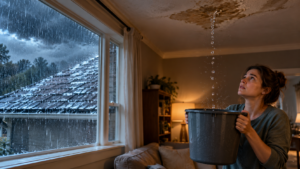
Anything from torrential rainfall along with strong winds to blizzards, frigid temperatures, and days with extreme heat, New Jersey residents inevitably have to cope with such conditions all throughout the year. Such conditions can cause considerable amounts of pressure on a property’s roofing, exterior siding, window frames, plumbing system, base, and exterior landscaping.
A residence that seems to remain in excellent condition on a particular day could display problems that manifest themselves during a severe storm.
This is the reason why more individuals are opting to invest in environmentally friendly home renovations – upgrades that are designed specifically to ensure that a home more effectively withstands harsh weather, whilst also improving quality of life, longevity, and value over time.
The positive aspect is the fact that you are not required to completely tear down your entire dwelling. “You can make the property more weather-proof by carefully repairing your shingles, wood siding, window frames, drainage system, and exterior components.
What Is a Climate-Resilient Home?
A climate-proof residence is constructed or modified to better withstand climate patterns that could affect the region.
For a New Jersey household, being resilient might refer to safeguarding against the following:
- Heavy rainfall
- High winds
- Snow and ice
- Freezing temperatures
- Extreme heat
- Storm-related water intrusion
- Flooding
- Falling branches and debris
The aim is never to build a dwelling completely “weatherproof.” Conversely, the purpose of durable construction is to minimize weaknesses and the likelihood of destruction.
1. Start With Your Roof
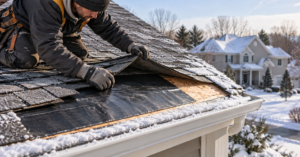
Roof protection is the initial point of safety for the property against storms, rain, snow, and dirt.
An outdated or defective roofing system could result in water leakage into the property’s loft and interior spaces, which can lead to thermal insulation issues, mold growth, damage to the structure, and costly repairs.
During a roof inspection, look for:
- Missing or damaged shingles
- Curling or cracked shingles
- Damaged flashing
- Loose materials
- Sagging areas
- Leaks or water stains
- Deteriorated roof decking
- Blocked roof drainage
If your roofing system is approaching the final stage of its projected life cycle, you may want to think about replacing it prior to a severe storm, instead of always dealing with damage caused by a storm.
Quick Answer: How can I make my roof more weather-resistant?
You will need a proper setup, high-quality supplies, sturdy cladding, sufficient airflow, and good drainage systems to obtain a weatherproof roofing system. Regular checks may additionally identify broken shingles or damaged flashing before they develop into bigger issues.
2. Upgrade Your Siding
Siding is much more than simply visual aesthetics. Furthermore, it protects the property’s walls from humidity, storms, and changes in temperature.
Broken or worn-out siding materials may allow water to get through the foundational framework.
Homeowners seeking environmentally friendly renovations might want to consider long-lasting siding supplies that are suitable for the property’s temperature and architectural aesthetic. Look for siding solutions that provide:
- Moisture resistance
- Wind resistance
- Durability
- Low maintenance
- Proper installation and flashing
- Effective water drainage
Installation by professionals is particularly crucial, since even superior quality siding materials will perform badly if set up wrong.
3. Consider Impact-Resistant and Energy-Efficient Windows
Windows are often at risk during extreme conditions, particularly when powerful winds blow away branches or other foreign objects.
Contemporary window replacements provide many advantages in addition to physical appearance.
According to the item that was chosen, modifications could include the following:
- Better insulation
- Reduced drafts
- Improved weather sealing
- Better noise reduction
- Increased energy efficiency
- Greater protection against severe weather
With window substitutions, the value of the standard window itself is simply as vital as the adequate glazing and water control surrounding the window openings.
4. Improve Your Home’s Drainage
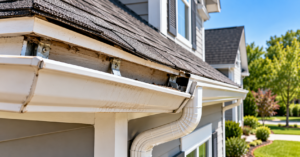
Water conservation is considered one of the most vital aspects of a resilient dwelling.
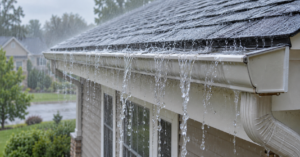
Even a well-built roof may experience issues if water from the roof is not channeled away from the building.
Inspect your:
- Gutters
- Downspouts
- Downspout extensions
- Roof drainage
- Grading around the home
- Foundation drainage
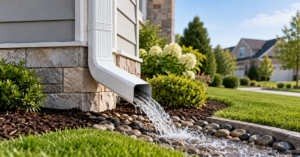
The downspouts shouldn’t be pumping out water directly near the home, but should channel it far away from the ground. If your place of residence retains standing water time after time, allow a qualified professional to have a closer look to figure out what plumbing upgrades can be implemented.
5. Protect Against Basement and Foundation Water
Rain that is excessive may cause plenty of strain on a home’s plumbing system.
Water that is capable of getting into a cellar or basement area may lead to:
- Dampness
- Mold growth
- Damaged flooring
- Damaged stored belongings
- Foundation concerns
Property owners might want to make improvements to their home through the use of higher-quality leveling, sanitary drainage methods, sump pump systems, or underground protection.
A professional should evaluate the source of recurring water problems before selecting a solution.
6. Don’t Forget Your Landscaping
Landscaping can contribute to storm resilience.
If there are massive trees close to your residence, strong winds may cause the branches to collapse onto a roof if the branches are fragile, unhealthy, or hanging over the roof. Consider:
- Removing dead branches
- Maintaining trees near the house
- Keeping gutters clear of leaves
- Maintaining proper drainage
- Avoiding plants that obstruct drainage
- Ensuring soil slopes away from the foundation
Effective landscape design assists in regulating water levels and avoiding the risk of weather-related problems.
7. Improve Attic Ventilation and Insulation
Climate resilience is not limited to protecting your residence.
Weather-related temperature variations are another obstacle for New Jersey homes.
Proper loft insulation and adequate airflow may be beneficial:
- Reduce heat buildup
- Improve indoor comfort
- Reduce moisture problems
- Protect roofing materials
- Improve energy efficiency
If you are engaged in a new roof or renovation project, it’s worthwhile to check out attic space as a part of the whole home envelope.
8. Prepare Your Home Before Storm Season
Don’t wait until severe weather is approaching to discover a problem.
A seasonal inspection can help identify issues before they become emergencies.
Home Weather-Resilience Checklist
- Inspect the roof for damaged or missing shingles.
- Check flashing around chimneys and roof penetrations.
- Clean gutters and downspouts.
- Make sure downspouts direct water away from the foundation.
- Inspect siding for cracks or loose sections.
- Check windows and doors for damaged seals.
- Look for water stains in the attic or ceilings.
- Inspect basement areas for moisture.
- Trim dead or dangerous tree branches.
- Check exterior drainage before major storms.
- Address small leaks before they become major problems.
Which Home Improvements Should You Prioritize?
Not every homeowner needs the same upgrades. Prioritize improvements based on your home’s age, condition, location, and previous storm problems.
| Home Area | Potential Risk | Resilient Improvement |
| Roof | Wind, rain, snow | Roof repair or replacement |
| Siding | Wind and moisture | Durable siding |
| Windows | Wind, rain, heat loss | Energy-efficient replacement windows |
| Gutters | Water accumulation | Improved drainage |
| Foundation | Water intrusion | Drainage and waterproofing |
| Landscaping | Falling branches | Tree maintenance |
| Attic | Heat and moisture | Insulation and ventilation |
| Basement | Flooding and moisture | Waterproofing and drainage |
What Is the Best Way to Storm-Proof a House?
Quick Answer
There’s no single upgrade that is likely to weatherproof a residence fully. The ideal way to deal with it is to find out exactly what the shortcomings of a property are now and address several areas at once, such as roof, exterior siding, window frames, proper drainage, structural safety, and exterior landscaping.
Professional home inspection or home remodeling guidance will help you determine the upgrades that will make the most practical sense for your residence.
Common Resilient Remodeling Mistakes
Avoid these common mistakes:
Ignoring Small Roof Problems
A damaged roofing material or defective guttering might seem to be a small problem, but water penetration may transform a small roof problem into a far more serious maintenance task.
Focusing Only on the Roof
Roofing is necessary, but moisture may also pass in by means of doors, windows, drywall, basements, and inadequate drainage.
Blocking Downspouts
Improperly installed or obstructed gutters may discharge huge quantities of fluid in the path of your underlying structure.
Waiting Until After a Storm
Quick fixes usually run you higher than usual and are more challenging to plan for. Preventive upkeep is usually less complicated.
Choosing Materials Based Only on Appearance
Durability, maintenance, installation quality, and weather performance should also be considered.
Why Resilient Remodeling Is a Long-Term Investment
Weather-resistant improvements can provide benefits beyond storm protection.
A well-planned remodeling project can also improve:
- Energy efficiency
- Indoor comfort
- Curb appeal
- Maintenance requirements
- Property durability
- Long-term home value
For example, replacing aging windows may improve insulation while also upgrading the home’s appearance. A roof replacement can protect against weather while improving curb appeal. Better drainage can reduce recurring water problems.
The best remodeling decisions address multiple needs at the same time.
Frequently Asked Questions
How can I make my New Jersey home more weather-resistant?
Start with the roof, siding, windows, drainage, foundation, and landscaping. Identify existing vulnerabilities and prioritize repairs or upgrades based on your home’s condition and the weather risks affecting your property.
What is climate-resilient remodeling?
Climate-resilient remodeling involves improving a home so it can better handle severe weather and changing environmental conditions while reducing the risk of water intrusion, wind damage, heat-related problems, and other vulnerabilities.
Can a new roof protect my home from storms?
A properly installed roof with appropriate materials, flashing, ventilation, and drainage can improve a home’s ability to handle severe weather. However, no roofing system can eliminate every potential storm risk.
How can I protect my home from heavy rain?
Effective gutters, properly positioned downspouts, positive drainage around the foundation, maintained roofing, sealed exterior openings, and appropriate waterproofing can help manage heavy rainfall.
Are replacement windows worth it for weather protection?
Modern replacement windows can improve weather sealing, insulation, comfort, and energy efficiency. The appropriate window should be selected based on your home’s needs and professionally installed.
How often should I inspect my roof?
Homeowners should consider periodic professional roof inspections, particularly when the roof is aging or after significant weather events. Regular inspections can identify problems before they become expensive repairs.
Can landscaping help protect my home during storms?
Yes. Properly maintained trees, clear drainage paths, and landscaping that directs water away from the foundation can reduce certain storm-related risks.
Should I remodel before or after storm damage?
Whenever possible, preventive improvements are preferable to waiting for damage. Addressing known vulnerabilities before severe weather can reduce the likelihood of expensive emergency repairs.
Build a More Weather-Ready New Jersey Home
Extreme weather can expose weaknesses that aren’t obvious during everyday conditions. A damaged roof, aging siding, poor drainage, or deteriorating windows can become a much bigger problem when heavy rain, strong winds, snow, or extreme temperatures arrive.
The good news is that homeowners can improve resilience gradually. Start with the areas most vulnerable to damage, prioritize necessary repairs, and incorporate durable, weather-resistant improvements into your next remodeling project.
If your New Jersey home needs roof replacement, siding, window replacement, drainage-related improvements, or broader home remodeling, National Home Improvements can help you evaluate your options and plan improvements around your home’s needs.
Ready to make your home more weather-resistant? Contact National Home Improvements to discuss your remodeling project and request a professional consultation.