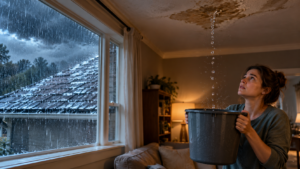
The installation of solar panel systems can be considered one of the best choices that a homeowner can make in order to lower electricity bills and improve their home’s market value. Yet, a lot of people prefer to concentrate primarily on selecting a suitable solar panel and disregard about yet another crucial aspect: the current state of their roofing.
Solar panels typically last between twenty-five and thirty years. If your roofing system is deteriorating, it is recommended to repair the roofing system beforehand you install the panels on it. If not, you will probably need to remove the panels and reinstall them on again afterwards, and this could be costly.
Getting the roof fixed before you start using solar energy systems helps protect your financial investment, simplifies the process of installation, and guarantees that the roofing system is capable of supporting conventional solar panels for a long time. In this guide, we will clarify the criteria that make the roof “solar-friendly,” when replacing your roof makes the most sense, as well as how careful preparation is capable of saving you both money and time.
What Is a Solar-Ready Roof?
A solar-ready roofing system is a roof that is solid in structure, has a sufficient remaining life expectancy, and has the capacity to withstand solar panel installation without the need for costly repairs in the near term. Usually, a solar-powered roofing system is considered to have the following features:
- Excellent foundational strength
- No active leakage or water-related damage
- Little roofing shingle damage
- Adequate remaining lifespan (20+ years is ideal)
- Correct roof placement and a normal slope for direct sunlight
- Sufficient open area for solar panels
Request an expert roof inspection before setting up solar panels in order to identify any issues that could affect performance over the long term.
The Value of Roof Maintenance Before Solar Setup
There are quite a few lasting advantages to taking care of the roof before setting up solar panels.
Secure Your Solar Investments!
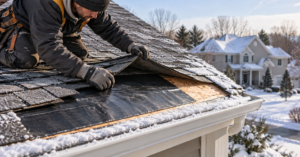
Solar panel systems are built to function properly for a long time. In the future, if new shingles need to be done, laying them on an outdated roof might require expensive removal and replacement.
Minimize long-term maintenance costs.
In broad terms, it will generally be less costly to fix or replace the shingles prior to setting up solar energy systems rather than removing rooftop solar panels to complete roofing repairs years later.
Increase Setup Performance
Solid, well-kept roofing materials ensure a more secure and durable base for roofing contractors to perform tasks and can guide the way to a smoother installation process.
Increase the duration of your roofing system
Setting up conventional solar panels on a newly constructed shingle indicates that both components can get older harmoniously, minimizing problems with upkeep as time passes.
Maximize The Worth Of The Property You Own
Residential buildings with a sturdy roofing system along with professionally mounted solar paneling tend to be attractive to buyers who are interested in environmentally friendly housing.
Signs Indicating You Need to Replace the Roof before Setting Up Solar Panels
Not every shingle is required to be repaired, but these red flags are useful reminders that one ought to speak with a roofing expert ahead of moving to the next step.
- Roof is more than 15–20 years old
- Missing or damaged shingles
- Curling or cracked shingles
- Water stains inside the home
- Roof leaks
- Sagging roof sections
- Storm or hail damage
- Soft spots in roof decking
- Excessive moss or algae growth
- Previous repair issues that continue to return
If your roofing structure has one or more of these warning signs, swapping it before you set up a standard solar panel will save you a lot of money over the duration of your solar energy system.
Best Roofing Materials for Solar Panels
Multiple roofing components offer various durability characteristics, along with varying levels of compatibility for solar panels.
| Roofing Material | Average Lifespan | Solar Compatibility | Maintenance |
| Asphalt Shingles | 20–30 Years | Excellent | Low |
| Architectural Shingles | 30–40 Years | Excellent | Low |
| Standing Seam Metal Roof | 40–70 Years | Outstanding | Very Low |
| Composite Roofing | 30–50 Years | Very Good | Low |
| Clay or Concrete Tile | 50+ Years | Good (Requires Specialized Installation) | Moderate |
Standing seam metal roofs and architectural asphalt shingles are among the most popular choices for homeowners planning long-term solar investments due to their durability and ease of installation.
Can Solar Panels Be Installed on an Old Roof?
Yes, but it isn’t always the best decision. If the roof you have appears to be fresh, solid in structure, and not severely damaged, installing a solar system is usually recommended. But, if one is thinking about a roofing system which is only going to last an additional ten to fifteen years, it’s often more economically sound to change the roof prior to you set up solar energy systems. This eliminates the extra labor and expenses of removing and installing new solar paneling during an eventual roof repair. An expert roof evaluation is able to figure out if your existing roof meets the requirements for solar power installation or if a replacement should come first.
Organizing Roof Replacements and Solar Panel Setup at the Same Time
Both projects can be coordinated in order to save you time, financial resources, and future problems.
Consider the following steps:
- Have a qualified contractor examine your roofing system.
- Figure out the total remaining lifespan of your roofing material.
- Replace or fix defective shingle materials if necessary.
- Select standard roofing components that are designed to endure.
- Coordinate the shingle task prior to scheduling the solar installation.
- Select contractors who have expertise in both traditional roofing and solar energy systems.
Proper planning ensures your roof is ready to support your solar investment for decades.
Biggest Mistakes that Property Owners Commonly Make
Avoid these common mistakes when preparing for solar installation:
- Setting up solar energy systems on an older conventional roof.
- Not performing an expert roof checkup.
- Neglecting minor roof leaks.
- Picking roofing components with a short-life duration.
- Hiring independent contractors without planning.
- Avoiding structural issues.
- Concentrating solely on solar expenses while disregarding roofing condition.
- Holding off required roof maintenance.
Addressing such problems early is able to minimize sudden costs while safeguarding both your roofing and the solar system itself.
Tips from Experts Before Setting Up Standard Solar Panels
Before investing in solar energy, keep these recommendations in mind:
- Inspect your roofing prior to agreeing to a solar power contract.
- Remove any outdated roof coverings, if deemed necessary.
- Look for roofing supplies that offer a time frame roughly the same duration as the solar panels you are installing.
- Verify to determine if your roofing system is capable of supporting more weight.
- Cut back the hanging branches from trees that produce shade.
- Improve loft airflow if needed.
- Set up after the leaks are resolved.
- Collaborate with authorized roofing & solar professionals.
- Inquire about company warranties.
- Think long term; it’s usually less expensive to have the roof completed immediately, as opposed to shortly after you set up solar panels.
Roof Inspection Checklist Before Going Solar
Use this checklist before scheduling your solar installation:
✔ Roof is less than 20 years old or has sufficient remaining lifespan
✔ No active leaks or water damage
✔ Shingles are in good condition
✔ Roof structure is solid and level
✔ Flashing around chimneys and vents is intact
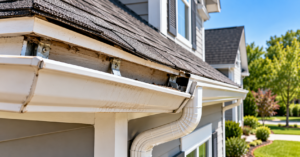
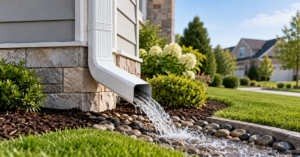
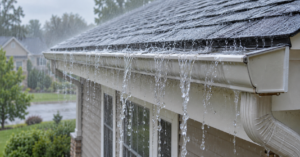
✔ Gutters and drainage systems are functioning properly
✔ Roof has adequate sunlight exposure
✔ No significant storm damage
✔ Professional roof inspection completed
✔ Repairs completed before solar installation
Frequently Asked Questions
What is a solar-ready roof?
A solar-ready roof is solid in structure, in excellent condition, and provides enough remaining lifespan to withstand solar energy systems for at least twenty-five years.
Should I replace my roof before installing solar panels?
If your roof has grown old or includes plenty of damage, repairing it is typically the least expensive option.
Can solar panels damage my roof?
When set up properly by competent workers, solar power panels shouldn’t cause damage to a well-preserved rooftop.
How long should a roof last before installing solar?
In most cases, you ought to set up solar energy systems when your roofing structure continues to have no less than twenty years of functional life.
What roofing material works best with solar panels?
Architectural shingles made of asphalt and standing seam metal shingles represent a few of the best appropriate roofing alternatives for solar panels.
How do I know if my roof can support solar panels?
A professional roof checkup prior to installation will determine structural integrity, the overall state of the roofing material, and its ability to bear loads.
Will I need to remove solar panels for future roof replacement?
If you need to replace the roof shortly after you set up the solar energy systems, you usually are required to take out solar panels and subsequently put them back, and this will add to the total cost of the installation.
Does a new roof increase the value of a solar installation?
Certainly. Installing a new roof may provide people with greater assurance that their roof is dependable and their solar panels are going to function properly for a long time.
Final Thoughts
Setting up solar power panels is a wise long-term investment, and your rooftop should be prepared to back that investment. It’s recommended that you have roof shingles examined, fixed, or replaced before the actual installation of solar panels in order to help you minimize expensive future upkeep, improve the performance of the setup, and get the greatest value out of the life cycle of both solar panels. If you are thinking about installing solar energy systems for your New Jersey residence, the initial thing that you will have to do is arrange for a professional to take a look at your roofing structure. Knowing about your roof’s current condition at the moment can assist in helping you arrive at wise decisions that preserve your house and your investments for many years to come.
Are you thinking of conventional solar panels? Arrange a thorough roof checkup with National Home Improvements to find out whether your shingles are suitable for solar energy production and look into the most effective alternatives for your home.